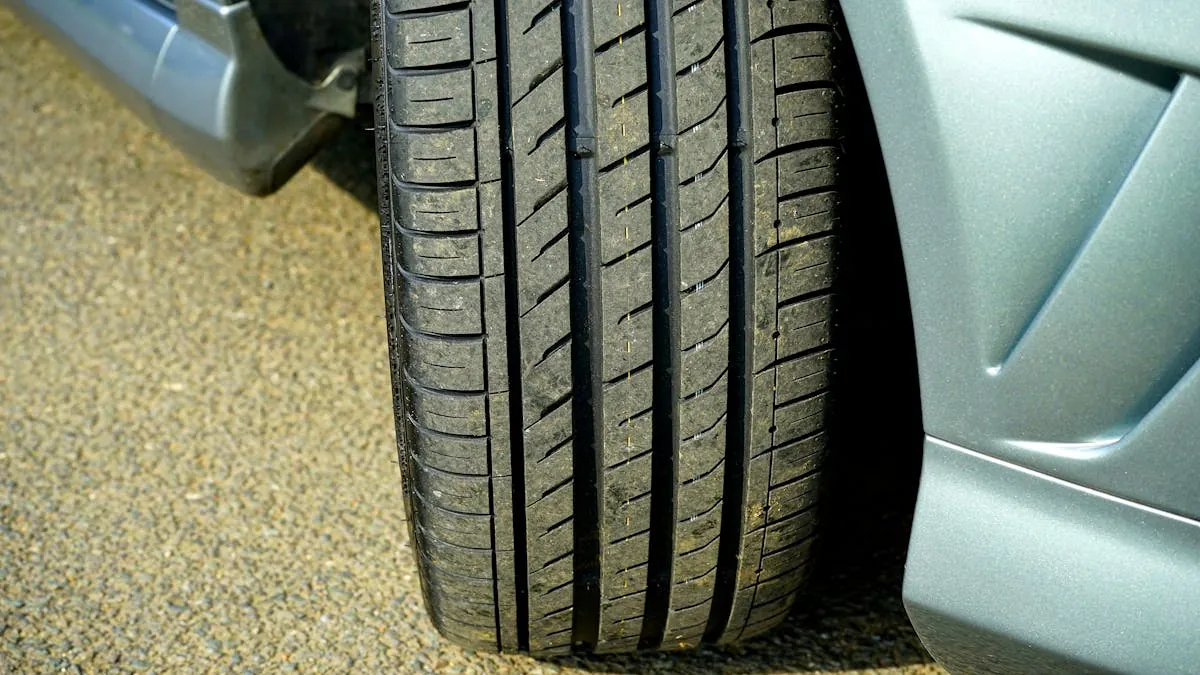
Michelin is one of the leading premium tyre brands, best known for long tread life and balanced, dependable performance across dry, wet and economy. They sit at the top of the price scale, but for many drivers the longevity and all-round strength make them good value over the tyre's life. Whether they're worth it for you comes down to your mileage and what you prioritise.
What Michelin is known for
Michelin's reputation rests on consistency. Their tyres are designed to perform well across every measure rather than chasing one headline figure, and they're often praised for holding that performance as they wear, not just when new. Long tread life is the main thing Michelin markets them on, and it is a big part of their appeal for drivers who cover serious miles; check independent tests for your size to see whether it holds for the tyre you are offered.
Are they worth the money?
The honest answer is "often, but not always". The premium price is easier to justify the more miles you do, because a longer-lasting tyre narrows the cost-per-mile gap against a cheaper tyre you replace sooner, see budget vs premium. For a low-mileage city car, a strong mid-range tyre may be better value. For high mileage, motorway driving, or a heavy car, a premium tyre that tests well for wear and wet grip in your size is the most likely to pay back.
Popular Michelin ranges
Michelin offers a tyre for most needs, and it helps to know the main lines by name. The Michelin CrossClimate 2 is an all-season tyre that carries the 3PMSF snow rating, so it handles the UK's cold, wet months without a seasonal changeover. The Primacy 4+ is a summer touring tyre built to hold its wet braking right down to the legal tread limit; the e.Primacy targets low rolling resistance for economy and EV range; and the Pilot Sport 5 covers faster cars that want sharper grip. The right range depends on your car and driving, which is why it's worth matching the specific tyre to your needs rather than just buying the brand. We'll point you to the right Michelin line for your vehicle.
How to decide for your car
Don't buy on reputation alone. Check the EU tyre label grades and, crucially, independent test results for your exact size, because performance varies between sizes and ranges. Michelin is an excellent default, but the best choice is always the tyre that tests well in your size and suits how you drive. Compare it against a couple of strong mid-range options before deciding.
Michelin ranges at a glance
Michelin's car range is organised by job rather than by price tier, so the right one depends on what and how you drive. The lines you are most likely to be offered in the UK:
| Range | Type | Built for |
|---|---|---|
| CrossClimate 2 (and CrossClimate 2 SUV) | All-season, 3PMSF marked | Year-round UK use without a seasonal swap; strong in cold and wet |
| Primacy 4+ | Summer touring | Everyday cars and family SUVs; designed to keep wet braking as it wears |
| e.Primacy | Summer, low rolling resistance | Economy, hybrids and EVs where range matters |
| Pilot Sport 5 and Pilot Sport 4 SUV | Summer performance | Faster cars and performance SUVs wanting sharper grip and steering |
| Pilot Sport EV | Summer performance, EV specific | Higher-performance electric cars |
| Alpin 6 and Pilot Alpin | Winter | Dedicated winter set with a cold-weather compound, 3PMSF marked |
| Agilis family | Van and light commercial | Load-rated van tyres in summer, all-season and winter versions |
Label grades vary by size within a range, so check the EU label for the size your car takes. Previous generations such as Primacy 4 and CrossClimate+ are still around in some sizes and remain good tyres, but ask for the current line where it exists.
Michelin also sells some ranges with acoustic foam under the tread for quieter cabins, usually as an OE fitment.
Performance when worn, not just when new
Michelin's main argument for its price is that its tyres are designed to stay safe close to the legal limit, rather than only when new. The company has publicly pushed for tyres to be tested worn as well as new, and its Primacy and CrossClimate ranges are marketed on that basis.
Why it matters: as tread wears, the grooves that clear water get shallower, so wet braking distances lengthen. A tyre that starts brilliantly but falls away quickly can be worse at 3mm than a tyre that started modestly but holds on.
Independent tests of worn tyres are rarer than tests of new ones, so where they exist for your size they are worth reading.
The legal floor is the same for every brand: 1.6mm across the central three-quarters of the tread and around its whole circumference, and each illegal tyre can bring a fine of up to £2,500 and three penalty points. The tread rule itself is set out in Annex 6 of the Highway Code on GOV.UK.
Michelin's position is that a well-designed tyre can be used down to that limit safely; many safety organisations still advise replacing earlier. Either way, measure with the 20p test rather than guessing.
Longevity also depends on you. Correct pressures, prompt attention to alignment problems and sensible rotation will do more for a Michelin's mileage than the brand name will.
Michelin for EVs and hybrids
Electric and hybrid cars are heavier and deliver torque instantly, which wears tyres faster and makes rolling resistance matter more, and Michelin has ranges aimed squarely at that. The e.Primacy is the economy choice; the Pilot Sport EV is for performance EVs.
What to check when buying for an EV, whichever Michelin you choose:
- Load index: EVs often need an XL (extra load) tyre. Fitting a standard-load tyre of the right size is a common and expensive mistake.
- Rolling resistance grade: a better grade on the EU label translates into a little more range per charge, which adds up over a year.
- Noise: with no engine to mask it, tyre roar is more noticeable. Foam-lined versions of some Michelin ranges address this.
- Wear: instant torque and extra weight shorten tyre life. Rotating front to rear and keeping pressures correct matters more on an EV than on a petrol car.
Our guide to EV tyres covers whether you need an EV-specific tyre at all; the short answer is that a good conventional tyre in the right load rating is fine, but the EV-focused ranges are optimised for the job.
Michelin in a UK winter
For most UK drivers the CrossClimate 2 is the Michelin to look at for winter, because it carries the three-peak snowflake without needing a second set of wheels. Dedicated Alpin winter tyres are the better choice if you regularly drive on snow or spend the winter somewhere cold and rural.
The snowflake, or 3PMSF, marking means the tyre has passed a standardised snow traction test. It is different from the M+S marking, which has no test behind it. If you drive to the Alps, several countries now expect the snowflake rather than M+S when winter rules apply.
All-season tyres are a compromise. In summer heat they typically give up a little to a Primacy or Pilot Sport, and in deep snow they give up something to an Alpin.
For a car that does school runs, commuting and a few motorway trips through a British winter, that compromise is usually the right one. Our guide to whether winter tyres are worth it in the UK works through the decision.
If you do run a seasonal set, store the off-season tyres somewhere cool, dry and out of direct sunlight.
Pricing a Michelin for your car
If you are weighing Michelin against a cheaper tyre in your size, send us the registration and we will price both, fitted where the car is parked, from our base in Brent Cross across London and the Home Counties.
